
Many people know botulinum toxin by the brand name Botox. Medically, that is too narrow. Botulinum toxin has been used for decades in neurology, urology, dermatology, rehabilitation medicine and aesthetic medicine. The mechanism is similar across indications: the medicine reduces acetylcholine release at nerve endings. This can relax overactive muscles or reduce stimulation of sweat glands.
This article explains which medical uses are well established, where the evidence is stronger or weaker, what benefits are realistic, and what safety questions should be discussed before treatment.
What does botulinum toxin do?
Botulinum toxin works locally where it is injected in small medical doses. It temporarily blocks signaling between a nerve and its target structure. In a muscle, this means the muscle contracts less strongly. In sweat glands, it means the gland receives less nerve stimulation. The effect is not instant; it usually develops over days. It is temporary and wears off over months as the body restores nerve signaling.
Mechanism
local nerve blockade
Botulinum toxin reduces acetylcholine release at nerve endings, affecting muscles or glands.
Use
indication-led
The medical benefit depends on whether symptoms match the target structure and diagnosis.
Duration
usually months
The effect is temporary. Repeat intervals should be planned medically and individually.
Safety
physician-led care
Dose, anatomy, medical history, medication and informed consent matter.
Which medical uses are established?
Licensed indications vary by product, country and prescribing information. For onabotulinumtoxinA, the US prescribing information describes neurological, urological, dermatological and aesthetic indications and includes an important warning about possible distant spread of toxin effect: BOTOX Prescribing Information.
The practical point is that not every biologically plausible use is equally proven or licensed. Chronic migraine and severe primary axillary hyperhidrosis are different evidence situations from bruxism, temporomandibular symptoms or cosmetically driven trapezius treatment.
What does the evidence show?
| Source | Population / context | Finding | Clinical takeaway |
|---|---|---|---|
| OnabotulinumtoxinA prescribing information | Licensed indications and safety information for onabotulinumtoxinA. | Lists medical indications and a boxed warning about possible distant spread of toxin effect. | Botulinum toxin is a prescription medicine with defined indications, not a general wellness treatment. |
| NICE TA260 | Adults with chronic migraine meeting defined criteria. | NICE recommends botulinum toxin type A as an option when enough previous preventive medicines have not worked and medication overuse has been addressed. | Patient selection is central in chronic migraine. |
| AAN Guideline Update | Neurological indications including blepharospasm, cervical dystonia, spasticity and chronic migraine. | The guideline rates botulinum neurotoxin evidence differently by indication. | The strongest medical use cases are tied to clearly defined neurological diagnoses and specialist protocols. |
| AUA/SUFU OAB Guideline | Patients with idiopathic overactive bladder. | The guideline describes botulinum toxin as a minimally invasive option in selected situations. | Urological botulinum toxin treatment requires specialist assessment and follow-up. |
| Hyperhidrosis meta-analysis | Studies of botulinum toxin versus placebo for hyperhidrosis. | The meta-analysis found better treatment response and quality-of-life outcomes. | For severe focal sweating, botulinum toxin is a relevant option when topical measures are not enough. |
| Bruxism overview | Overview of botulinum toxin for bruxism. | The literature suggests possible effects but remains heterogeneous and indication-dependent. | Bruxism treatment should be framed as an individualized, carefully explained decision. |
Chronic migraine: when botulinum toxin becomes relevant
Botulinum toxin is not used for occasional headaches. The established medical context is chronic migraine. NICE describes botulinum toxin type A as an option for adults with chronic migraine when at least three preventive medicines have not worked adequately and medication overuse has been appropriately addressed.
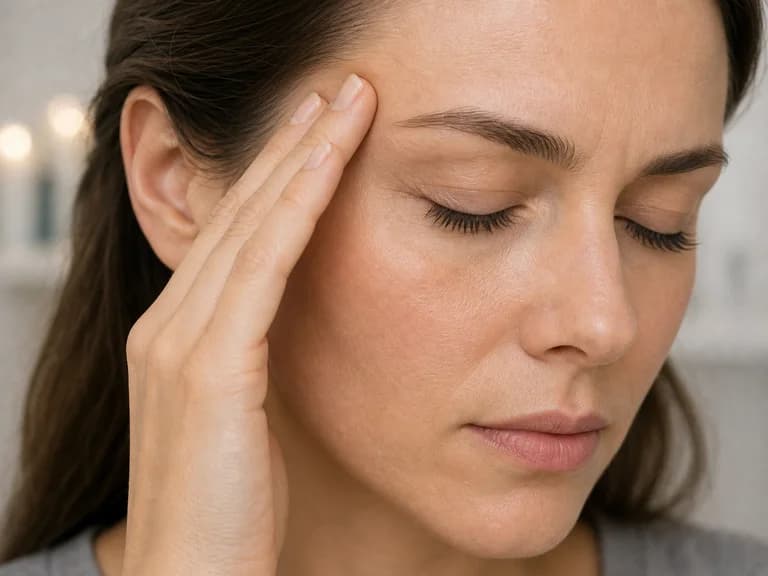
In practice, this means first clarifying whether the diagnosis is truly chronic migraine, how many headache days occur, which medications have already been tried, whether medication overuse is part of the problem, and whether there are red flags for other headache causes. Botulinum toxin may then reduce headache days and disease burden. It is not an acute rescue treatment for a migraine attack.
More local information: Botulinum toxin for chronic migraine.
Hyperhidrosis: treating excessive sweating medically
In primary focal hyperhidrosis, the body produces much more sweat in specific areas than is needed for temperature regulation. Common sites include the underarms, hands, feet or forehead. Botulinum toxin can reduce nerve stimulation of sweat glands.

The evidence is stronger for axillary hyperhidrosis than for some other sweating areas. A meta-analysis of botulinum toxin versus placebo found improved treatment response and quality of life. Before treatment, secondary causes such as thyroid disease, infection, medication effects, hormonal factors or other medical conditions should be considered.
Local treatment page: Botulinum toxin for hyperhidrosis.
Bruxism, masseter treatment and jaw symptoms
Bruxism means teeth grinding or jaw clenching. Causes are often multifactorial: stress, sleep, dental occlusion, temporomandibular joint problems, muscle activity, medication and neurological factors can all contribute. Botulinum toxin is usually injected into the masseter muscle in this context to reduce jaw-closing force.
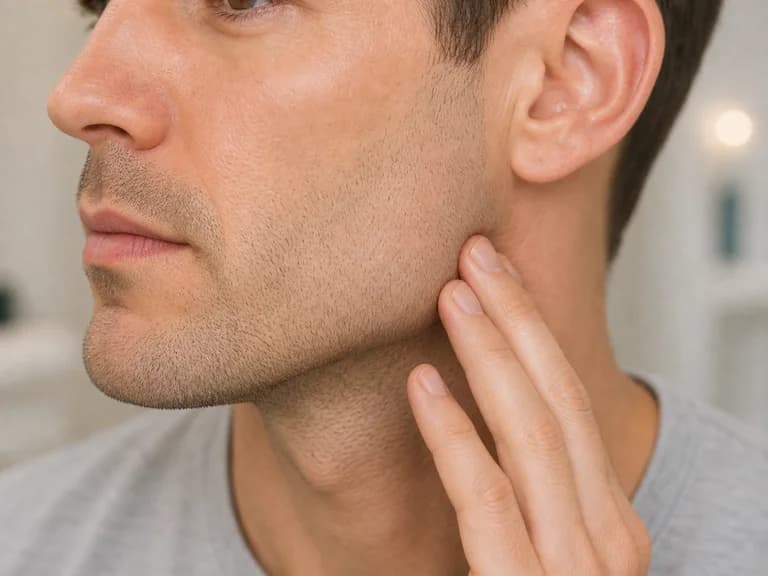
The possible benefit is less muscle tension, less pressure sensation and reduced masseter activity. The evidence is more heterogeneous than for chronic migraine or axillary hyperhidrosis. Dental splints, dental assessment, sleep, stress factors, temporomandibular joint findings and pain drivers should be considered. Too much toxin or inaccurate placement may unwantedly affect chewing strength, facial expression or facial contour.
More information: Masseter treatment for bruxism.
Dystonia, spasticity and blepharospasm
In neurology, botulinum toxin is long established for selected movement disorders and muscle overactivity conditions. These include cervical dystonia, blepharospasm and focal spasticity after neurological disease. The goal is not cosmetic relaxation, but targeted reduction of overactive muscles so pain, abnormal posture, spasms or functional limitations can be better controlled.
These indications usually belong in specialist neurological or rehabilitation care, often with functional assessment, muscle identification, dose planning and follow-up.
Overactive bladder and other specialist indications
In urology, botulinum toxin can also be used for selected patients with overactive bladder when conservative or drug options do not help enough or are not tolerated. In this setting, the medicine is injected into the bladder wall, not facial muscles. Follow-up matters because urinary tract infection or temporary difficulty emptying the bladder can occur.
Other specialist indications may include salivary disorders, selected eye conditions or spastic muscles, depending on product and specialty. These require specialist indication-setting.
What does treatment usually involve?
- 1
1. Confirm the diagnosis
Symptoms, duration, triggers, previous treatments, medications and red flags are reviewed.
- 2
2. Define the indication
The physician checks whether botulinum toxin fits the diagnosis or whether other treatments should come first.
- 3
3. Plan anatomy and dose
Target muscles or areas, dose, injection points and risks are planned individually.
- 4
4. Perform treatment
The injections are placed locally with a fine needle and medical documentation.
- 5
5. Review response
The effect develops over days. Response, side effects and repeat timing are discussed.

Safety: what should be discussed before treatment?
Botulinum toxin is an established medicine when the indication and technique are correct. It still requires informed consent. Common or relevant side effects depend on the treatment area: small bruises, pressure, temporary weakness, asymmetry, headache, local pain or unwanted effect on nearby muscles. In some regions, swallowing difficulty, neck weakness, eyelid droop, dry eyes, urinary tract infection or difficulty urinating can matter.
The prescribing information also warns about possible distant spread of toxin effect. Symptoms such as swallowing, speaking or breathing problems, marked muscle weakness or visual disturbance need urgent medical assessment. Risk depends on product, dose, indication, medical history and injection technique.
Who should consider an assessment at Praxis Jona?
An assessment at Praxis Jona may be useful if you have excessive sweating, masseter overactivity, jaw clenching, jaw muscle tension, chronic migraine or aesthetic-medical questions and want to know whether botulinum toxin is medically reasonable. We assess indication, alternatives, expectations, risks and dose.
You can find the treatment overview at Botulinum toxin treatment in Berlin-Mitte. Costs and treatment areas are listed under Botox prices. Individual medical pages cover chronic migraine, hyperhidrosis, masseter/bruxism and trapezius.
Frequently Asked Questions
Is Botox the same as botulinum toxin?
Botox is a brand name for one botulinum toxin product. Medically, several products exist. They are not simply interchangeable because dose, licensing and properties are product-specific.
Is botulinum toxin only aesthetic?
No. Aesthetic use is only one part. Botulinum toxin is also used for clear medical indications such as chronic migraine, hyperhidrosis, spasticity, dystonia, blepharospasm and overactive bladder.
Does botulinum toxin help chronic migraine?
It may help selected adults with chronic migraine, especially when several preventive treatments have not worked adequately or were not tolerated. It is not a standard treatment for occasional headaches.
Can botulinum toxin help excessive sweating?
Yes, especially for focal axillary hyperhidrosis. Extent, location and possible secondary causes should be medically assessed first.
Is botulinum toxin proven for bruxism?
The evidence is not as strong or uniform as for some neurological or dermatological indications. It can be reasonable for selected people when masseter overactivity is prominent. It does not replace dental, sleep or pain assessment when those are needed.
How long does the effect last?
That depends on product, dose, target muscle, metabolism and indication. The effect often lasts several months. Repeated treatment should be medically planned, not automatically scheduled by calendar alone.
Who needs extra caution?
People with neuromuscular disease, relevant swallowing or breathing problems, pregnancy or breastfeeding, infection at the treatment area, certain medications or previous reactions to botulinum toxin need especially careful medical assessment.
Sources
- BOTOX Prescribing Information, AbbVie / Allergan
- NICE Technology Appraisal TA260: Botulinum toxin type A for chronic migraine
- American Academy of Neurology guideline update on botulinum neurotoxin
- AUA/SUFU Guideline on idiopathic overactive bladder
- Botulinum toxin versus placebo for hyperhidrosis: meta-analysis
- Botulinum toxin for bruxism: overview